Professor Mary McAleese elected as Chancellor of Trinity College Dublin

Mary McAleese, former President of Ireland who served for two terms between 1997 and 2011, has been elected as the new chancellor of Trinity College Dublin, after running unopposed for the position.  

McAleese succeeds her predecessor Mary Robinson. Mary Robinson is also a former Irish president, who occupied the position as Chancellor since 1998, when she became the first woman elected Chancellor in the history of the University.
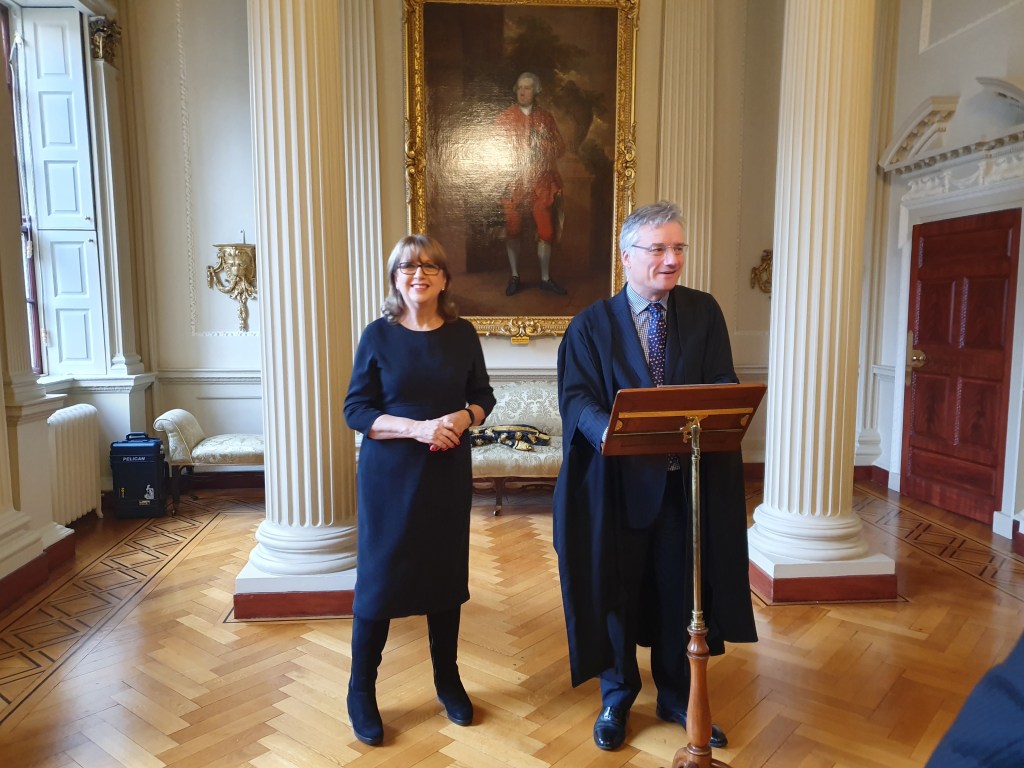
Figure 1: From L-R, Mary McAleese and Provost Patrick Prendergast

The inauguration of the new Chancellor took place today, 6th of December, 2019, at the Saloon, the Provost’s house, Trinity College Dublin at 11.30am. The event started with a speech by the Provost Patrick Prendergast speaking to the guest about the new Chancellor. He said,

 “Our new Chancellor is a former President of Ireland that needs no introduction. Let’s remind ourselves of the great distinction she brings to the role. Mary McAleese was born in Belfast and grew up, the eldest of nine children in Aldine, an area particularly badly affected by sectarian violence during the trouble. Her family was seriously impacted and this created a lifelong commitment of non-violence, anti-sectarianism and inter-religious dialogue and reconciliation and human rights”.

The Provost went further to read out her biography saying,

“She graduated in Law from the Queens University Belfast in 1973 and was called to the bar in Northern Ireland and in Dublin. In 1975, she became the youngest person ever appointed to be the professor of criminology here in Trinity College. Always a communicator, she joined RTE as a current affairs journalist in 1979”.

After the provost’s speech, Professor McAleese was introduced. She made a statutory declaration to the provost of Trinity College and the entire guests in Gaeilge, a language historically spoken by Irish people throughout Ireland.

Figure 1: From L-R, Mary McAleese and Provost Patrick Prendergast

The inauguration of the new Chancellor took place today, 6th of December, 2019, at the Saloon, the Provost’s house, Trinity College Dublin at 11.30am. The event started with a speech by the Provost Patrick Prendergast speaking to the guest about the new Chancellor. He said,

 “Our new Chancellor is a former President of Ireland that needs no introduction. Let’s remind ourselves of the great distinction she brings to the role. Mary McAleese was born in Belfast and grew up, the eldest of nine children in Aldine, an area particularly badly affected by sectarian violence during the trouble. Her family was seriously impacted and this created a lifelong commitment of non-violence, anti-sectarianism and inter-religious dialogue and reconciliation and human rights”.

The Provost went further to read out her biography saying,

“She graduated in Law from the Queens University Belfast in 1973 and was called to the bar in Northern Ireland and in Dublin. In 1975, she became the youngest person ever appointed to be the professor of criminology here in Trinity College. Always a communicator, she joined RTE as a current affairs journalist in 1979”.

After the provost’s speech, Professor McAleese was introduced. She made a statutory declaration to the provost of Trinity College and the entire guests in Gaeilge, a language historically spoken by Irish people throughout Ireland.

When the declaration was made, the provost of trinity college Dr Patrick Prendergast said: “Mary McAleese is now admitted to the office of chancellor of the university of Dublin and I’m going to put on the robe of chancellor”.

Figure 2: From L-R, Mary McAleese and Provost Patrick Prendergast

Mary gave her speech thanking the people who attended the inauguration saying: “Provost, all the University Community present and friends, first thank you for the honour to become the chancellor of this university. It’s a source of great pride to have this academic appointment here in the heart of the capital city”.

Her position as chancellor will involve overseeing important ceremonies such as commencement ceremonies when various degrees in Trinity College are awarded, as well as deciding who is awarded honorary Degrees.
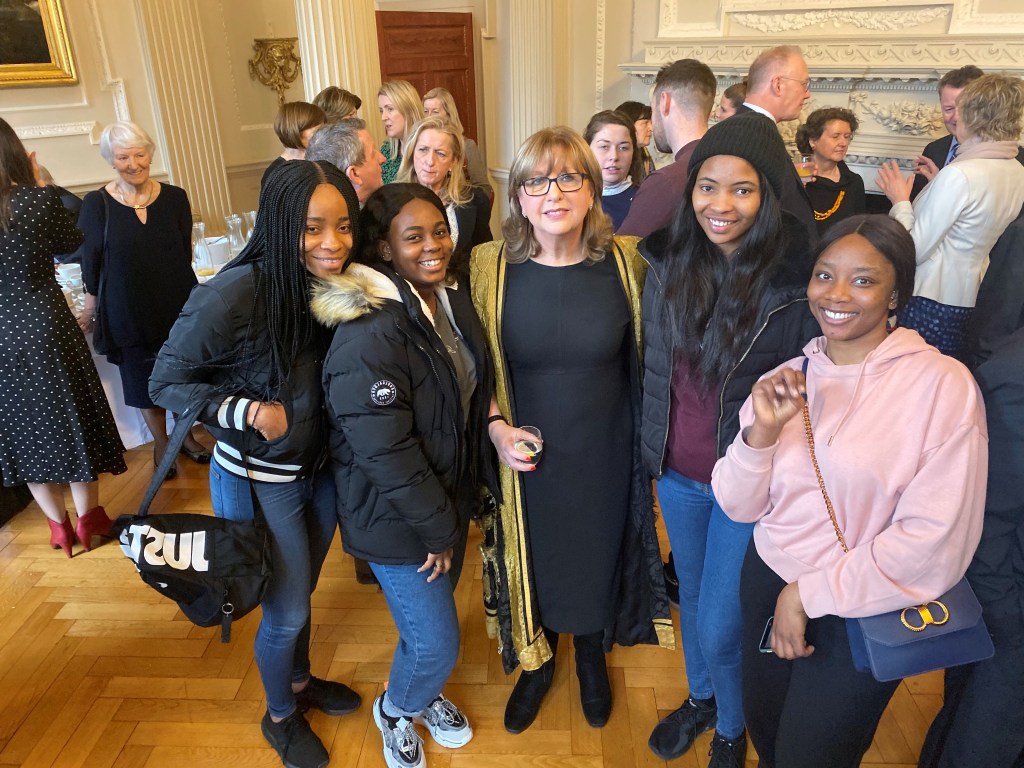
Figure 3: Mary McAleese and Griffith College journalists

Provost of Trinity, Dr Patrick Prendergast said: “Trinity College Dublin is honoured to have an academic of such great distinction as Professor Mary McAleese as Chancellor of the University of Dublin”.


Deserted and forgotten: The Mega Pipe Park of Lagos.

Fade Pitan

The Mega Pipe is an acoustic art installation, capable of producing melody from the natural flow of breeze through its hundreds of pipe. The project was a commission of the Lagos State Government in celebration of its 50th year anniversary. 

Among all the places and parks in Lagos, Nigeria, the mega pipe park is so fascinating, artistic and interesting. it features a thirty feet gigantic acoustic structure made of galvanized stainless steel and metal sheets. The most interesting thing about the structure is that there is an added functional instrument, which sounds when a sturdy flow of breeze passes through the pipes, producing a variety of harmonious melodies best enjoyed when situated under the core of the structure.

Fade Pitan

The Mega pipe project was a commissioned by the Lagos state government in celebration of its 50th year anniversary in the year 2017 by a renounced artist named Tayo Olayode. Installed on the tail end of Marina, the Mega pipe is an interesting mash-up of art and engineering, providing serenity within the busy central business district of Lagos.

A Visit: Erin Ijesha waterfalls.

I got a feedback from a friend (Dare) about Erin-Ijesha Waterfalls (also known as Olumirin waterfalls) located in Erin-Ijesha, Osun state, Nigeria. Dare always talks about how he loves nature, am sure that’s definitely a reason he visited the waterfall. Erin- Ijesha waterfalls is a lovely place for nature lovers, it has a serene environment and it is a place with fresh air

Fade Pitan

Dare was really keen about how whispering, cold and refreshing the water feels to the body. He included that being there is so fun because he had the opportunity to swim in a fresh body of water for the first time. Though this place got seven plains, he was able to get to the second, third and fourth because the other floors are breathe tasking.

Fade Pitan

I further went online, and discovered that the waterfall is a tourist attraction located in Oriade local government area, Osun State, Nigeria. The waterfalls was discovered in 1140 AD by one of the daughters of Oduduwa. Olumirin waterfall was discovered by hunters in 1140 AD”. The fall features seven floors, on top of which the village Abake is located.

He explained saying ” the first thing you will notice is the unique location of the town from a distance and it seems the forest where the waterfall is located collided with the cloud, you will witness this especially if you arrive very early. As early as between 7 a.m and 9 a.m” . For anyone reading this, the Erin-Ijesha waterfalls is a must visit.

What do you think?

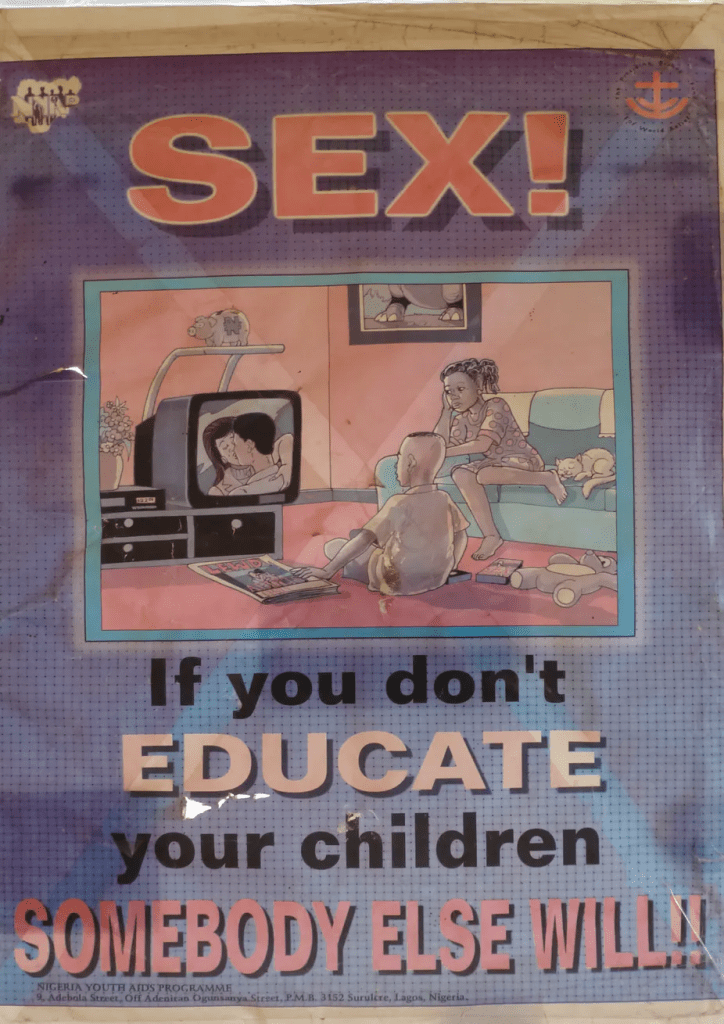
WHY SEX EDUCATION SHOULD BE DISCUSSED IN AFRICAN HOMES.

Source: google images

 “As an adolescent, I remember one of the most important things my mum always sang into my ears was that I should avoid any physical contact with the opposite sex to avoid getting pregnant. I lived with this fallacy for a long time before I discovered it was of protecting me. Most Nigerian girls live with this mentality because they were also told by their mothers or guardian.”

In a recent conversation with TheJournal.ie, Oladapo Olajide and Mariam Briggs gave their experiences on how they got their first knowledge of sex education. Oladapo and Miriam are Nigerians currently undergoing master’s degree programme in Dublin.

  In Nigeria, it is perceived that sex education will lead to promiscuity, the evidence doesn’t support the notion that sex education makes young people more sexually active. Nigerian parents cannot talk openly to their children about sexual related issues because of cultural barriers.

This is common in most Nigerian homes because it is perceived as a bad thing to education children about sex at a very young age. Sexuality education is often perceived as incompatible with prevailing traditional societies’ values and norms. In Nigeria, as in most African countries, there are many groups especially the family, including those genuinely concerned about the well-being of adolescents, who strongly oppose sexuality education as not being in the best interest of adolescents.

Most young people in Nigeria have woefully inaccurate sexuality knowledge. Researchers, sexuality educators, and several other groups working in the field of adolescent sexual and reproductive health in Nigeria consider poor sexuality knowledge to be the major reason why the triple tragedy of HIV/AIDS, unwanted teenage pregnancy, and unsafe induced abortion continues to have its highest number of victims among young people from the country.

  One common and oft-given explanation why youth in Nigeria have deficient sexuality knowledge is that they primarily rely on equally uninformed and ignorant peers for their education and information on sexuality. Evidenced-based reports shows that many teenagers learn about sex and sexuality mostly from friends, the internet and television.

  During the quest to sought information, two Nigerian students shared their experiences on how they got their first knowledge of sex education., we meet two Nigerian college students. One of the students, Oladapo, a male college student, age 24 tells us while he was growing up, he didn’t get his first knowledge of sex education from his parents. He recalled saying he got to see a condom the first time at the age of 14.

  “when I saw the condom, I went to my father immediately and asked him the function of the object which he never said anything. I called a friend who enlightened me more about the use of a condom”

Oladapo says it was like a taboo for him and his siblings to talk about sex or any sexual related issues with their parents which is totally different from what goes on in the western world.

  “As a Nigerian adolescent, there was no early form of sexual education. An average Nigerian adolescent understand the meaning of sex which they discreetly discuss among their peer-groups. They get to know sex related uses like kissing, the use of condoms from movies, shows, and internet. The only form of sex education children generally receive is in school, this is in biology classes when the topic of reproduction is taught”.

   The other female student with name Miriam Briggs, 23 years old, also shared her experience on sex education as an adolescent while growing up in a Nigerian home. Miriam stated that while she was growing up her mother never talked about any sexual related topic with her. Miriam says she never knew what sex and puberty was all about until her friends enlightened her with the little, they knew about sex education.

“As an adolescent, I remember one of the most important things my mum always sang into my ears was that I should avoid any physical contact with the opposite sex to avoid getting pregnant. I lived with this fallacy for a long time before I discovered it was of protecting me. Most Nigerian girls live with this mentality because they were also told by their mothers or guardian.”

  Miriam says she is acutely aware of the benefits of early and well detailed sex education for adolescents by the parents in Nigeria. “one major result of the lack of sex education in Nigerian home is that, there are terrifying increasement of young people having HIV/AIDS, unwanted teenage pregnancy, and unsafe induced abortion”.

  “I’m happy that a few of Nigerian parents still share some important aspect of sexual education to their children despite the strong cultural belief which is very much relevant. This will limit or totally put an end to sexual transmitted diseases or infections, unwanted teenage pregnancy and unsafe induced abortions”.

10 MUST KNOW FASHION QOUTES.

1. “You can never be overdressed or overeducated.” – Oscar Wilde

2. “I don’t know who invented high heels, but all women owe him a lot!” – Marilyn Monroe

3. “Fashion changes, but style endures.” ― Coco Chanel

4. “I love new clothes. If everyone could just wear new clothes everyday, I reckon depression wouldn’t exist anymore.” ― Sophie Kinsella, Confessions of a Shopaholic

5. “Fashion is not something that exists in dresses only. Fashion is in the sky, in the street, fashion has to do with ideas, the way we live, what is happening.” ― Coco Chanel

Coco Chanel

6. “I don’t do fashion, I AM fashion.” ― Coco Chanel

7. “Elegance is refusal.” ― Coco Chanel

8. “Girls do not dress for boys. They dress for themselves and, of course, each other. If girls dressed for boys they’d just walk around naked at all times.” ― Betsey Johnson

9. “Every generation laughs at the old fashions, but follows religiously the new.” ― Henry David Thoreau, Walden

10. “Beauty, to me, is about being comfortable in your own skin. That, or a kick-ass red lipstick.” ―Gwyneth Paltrow

I Created a video Sequence using the KINEMASTER APP

The one-minute video displays a presentation of a student while studying. The video was shot in a college environment portraying student passing by.

The choices I made in choosing a good frame in making the character fits well into a proper image. While capturing the wide shot I made sure there was enough head room for the character. For other shots such as medium full shot, closeup shot and angle medium shot, I made sure I framed the image properly focusing on the character. The framing explains the story of a student studying.  

I edited the video with KineMaster App. I made use of B-Rolls and Cut-Away in editing the video. Transitions was used in other to redefine different angles captured. The video was edited using a sound effect (Sorry) gotten from the KineMaster music asset. A variety of front styles was used in the video to explain different shots captured.

 Before the video was shot, I made sure the battery of my mobile phone was quite full, I also had to put my phone on flight mode to avoid notifications and calls interrupting the video. The Filmic Pro App was used in capturing this moment with the use of my iPhone mobile device.

      After doing the basics, I kept my phone on landscape before adjusting the settings of the app to get desired results by setting the Framerate to 25 captures FPS and 25playbackFPS.  The resolution was set to 16.9 using HD 1080p and filmic extreme. The focus and exposure were set to concentrate on the subject that is being captured. The white balance was set to automatic while the video was filmed.

MOTIVATING’ CARER OF THE YEAR AWARD

Family Carers Ireland teamed up with Netwatch for the “Netwatch Carer of the Year Awards 2019”. Netwatch Group are global leaders in proactive visual monitoring and provide protection and peace of mind for businesses in Ireland. The event took place for the 13thtime on the 22nd of November, 2019 at Westin hotel, Westmoreland street, Dublin 2. The awards seek to recognise, celebrate and shine a light on the remarkable contribution of Ireland’s 355,000 family carers – almost two thirds of whom provide over 100 hours of care per week.

The event was hosted by family career Ireland patrons, Marty Whelan and Mary Kennedy. The programme started with a choir group who sang beautifully well. It was followed by a speech from Brenda O’Connell Barry, the 2018 carer of the year winner who gave a speech on her experience on being an ambassador for all carers in 2018.

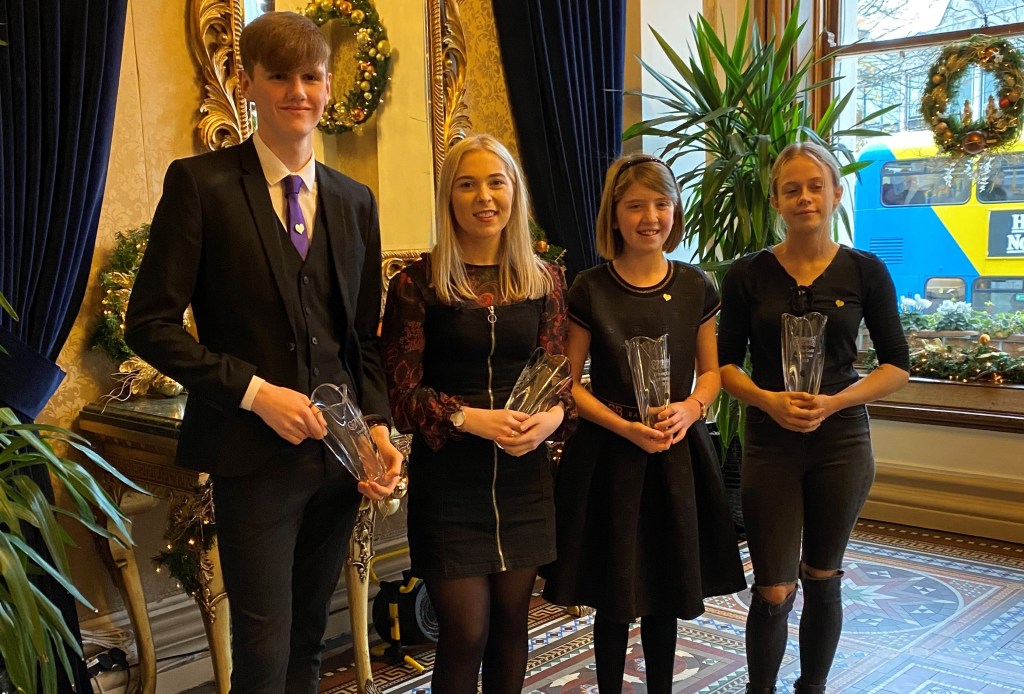
The award recognised 30 people from different county’s and regions of Dublin comprising of 26 adults and 4 young adults who all received a trophy.

The 2019 Netwatch Young Carers of the Year are Lily Power, representing Munster region, age 19, from Co. Cork who has been caring from a very young age for her mum who has Parkinson’s. Áine Grant, representing Ulster, age 20, from Co Donegal who cares for her mum Nuala who was diagnosed with early onset dementia two years ago. Matthew McCartin, representing Leinster, age 17, from Co Wexford who has been caring for his dad since he was five years old. His Dad now has advanced Parkinson’s Disease with dementia and uses a wheelchair. Lastly, Hailey Golden, representing Connacht, age 11, from Co Mayo who has three brothers with special needs. She has learned ‘Lámh’ and Picture Exchange Communication and helps to feed and dress them and to use their speech devices. Hailey is the youngest carer of the year.

Figure 2- from L-R, Mathew McCartin, Aine Grant, Hailey Golden and Lily Power.

Marcin Filak was announced as the Netwatch National Carer is the year 2109. Marcin Filak cares for his wife who suffers from locked in syndrome and also looks after their two children – one of whom has autism. Marcin Filak lives in Co Meath cares for his wife Ola who suffered a stroke three weeks after the birth of the couple’s daughter.

At the event, Family Carers Ireland communication and campaign officer, Ruaidhri Kelly said, “This event is all about recognising Ireland’s 355,000 family carers and shining a light on the immense care they provide behind close door, a lot of which goes unseen. Its probably true to say carers doesn’t get the recognition they deserve, so I suppose this event is a small effort to get them motivated”.

Ruaidhri Kelly said “the winners will get a trophy which is just a tittle for their great job and it’s not an easy commitment to give up your life completely. In terms of announcement today, the overall best carer of the year will be called”.

Speaking at the ceremony, Catherine Cox of Family Carers Ireland said: “We are thrilled to announce Marcin as our 2019 Netwatch National Carer of the Year. His commitment to his family is an inspiration to us all”.

“As always we are in awe of our four Young Carers of the Year 2019 and the maturity and dedication they show in helping care for their loved ones”.

“We look forward to this event each year which not only gives family carers the recognition they deserve, but also shines a light on caring in Ireland today and the challenges that many faces in their roles”.

CONTENT OF MY FIRST COMMERCIAL FEATURE

As a student studying journalism, I’m involved in the working sphere of a journalist. I have create my own mobile online journalism, radio sessions, content creation and writing.

I will be sharing a commercial feature I wrote for a company. Read it through, who knows? I could be hired through this platform.

BUY LOCAL, BUY FRESH.

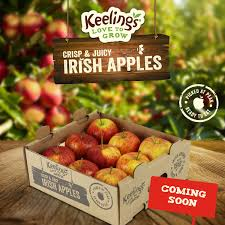
Figure 1: LOVE IRISH FOOD

Local or home-grown fruits and salad is now a mainstream trend, with more and more people seeking out fresh and local options for produce and other foods. Restaurants and local retailers are sourcing locally grown ingredients, often using the term farm-to-table. Everyone has the right to access good quality local food and the right to make a living from the land in dignity. This means that we need to support local food producers and retailers. We need to stimulate local production of food and the revival of rural economic activity based around primary food production.

A major example of a local food producer is Keelings. Keelings is a family owned Irish company. Our family’s expertise in growing dates back to 1926 when we established our farm and in the 1930s, we began growing fruits & salads and supplying them to the local Dublin markets.

Figure 2: LOVE IRISH FOOD

With such a long history of growing, we like to think we know a thing or two about fruit and salad. We look forward to sharing our knowledge, passion and love for healthy produce which are locally planted and grown in Ireland with you & your family.

But what is “local” food? How big of an impact does eating local food have on your health and the planet? And why is it important to know more about where your food comes from?

Most of the food we consume in Ireland is not only being transported long distances to our plates but what goes into our food and who produces it is hidden from us. Eating locally can be beneficial to both the environment and your health, and in putting your Euros into supporting the local community and farmers directly.

There are different reasons to consume local food, firstly, locally grown produce is fresher and tastier. This freshness not only affects the taste of your food, but the nutritional value. Locally grown fruits and vegetables are often allowed longer to ripen, because they do not have to be “rugged” or to stand up to the rigors of shipping, and so can be handled less.  (You are going to be getting peaches so ripe that they fall apart as you eat them).

Eating local means supporting farmers and producers. By buying locally grown food you’ll be strengthening your community by investing your food Euro close to home. Nohoval-based farmer Alan Jagoe, who is chairman of Agri Aware, said in regard to the Agri Aware Campaign which aims at advocating the importance of buying locally made produce: “Buying local and buying Irish means supporting the farmers, who work tirelessly to produce food for both the 4.8 million people living in Ireland and 50 million across the globe.”

“Money that is spent locally is put back into the communities and wider economies of Ireland, harnessing the magic of the many small towns and villages that make our Irish countryside so unique and homely.”

Buying local food keeps us in touch with the seasons. By eating with the seasons, we are eating foods when they are at their most flavoursome, are the most abundant, and the least expensive.

Buying locally grown food allows us to know more of its story. Whether it’s the farmer who brings local apples to market or the baker who makes local bread, knowing part of the story about your food is such a powerful part of enjoying a meal.

Buying local food is investing in the future. If foods are transported from long distances, it will be dependent on the artificially low energy prices that come with ‘cheap oil’. This will not last forever. World oil production has already peaked, according to some estimates, and while demand for energy continues to grow, supply will soon start dwindling, sending the price of energy (and food) through the roof. Why wait to re-evaluate our food systems when we are forced to, when we can start to build resilient local economies now by supporting energy efficient agricultural methods, like smaller-scale organic agriculture, and local production?

At Keelings, we ‘Love to grow’ and we’d love to get you growing too. We are passionate about what we do, and we want your family to share our passion for fresh fruits of outstanding quality.

2020 WINTER HAT TREND

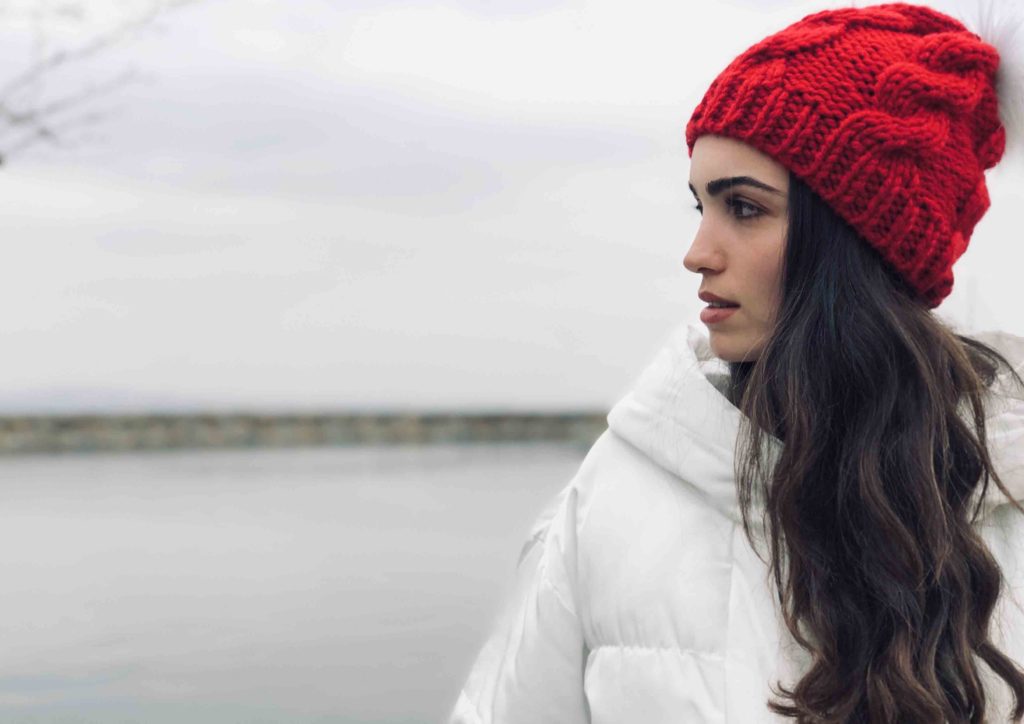
Is it cold there? If the answer is yes, you’re in right place! Let’s make a small chat about the most functional winter accessories: Hats! When it gets cold, we start to wear mostly dark colored clothes. However, colorful hats are a perfect opportunity to give a color and energy to our outfits.

Figure 3- Topshop

A Plain knit Beanie is also a go to this winter. This kind of plain hats also took place in 2019 winter hat trends. You can find them in varied options. However, a plain black one can be very functional.

figure 2- Topshop

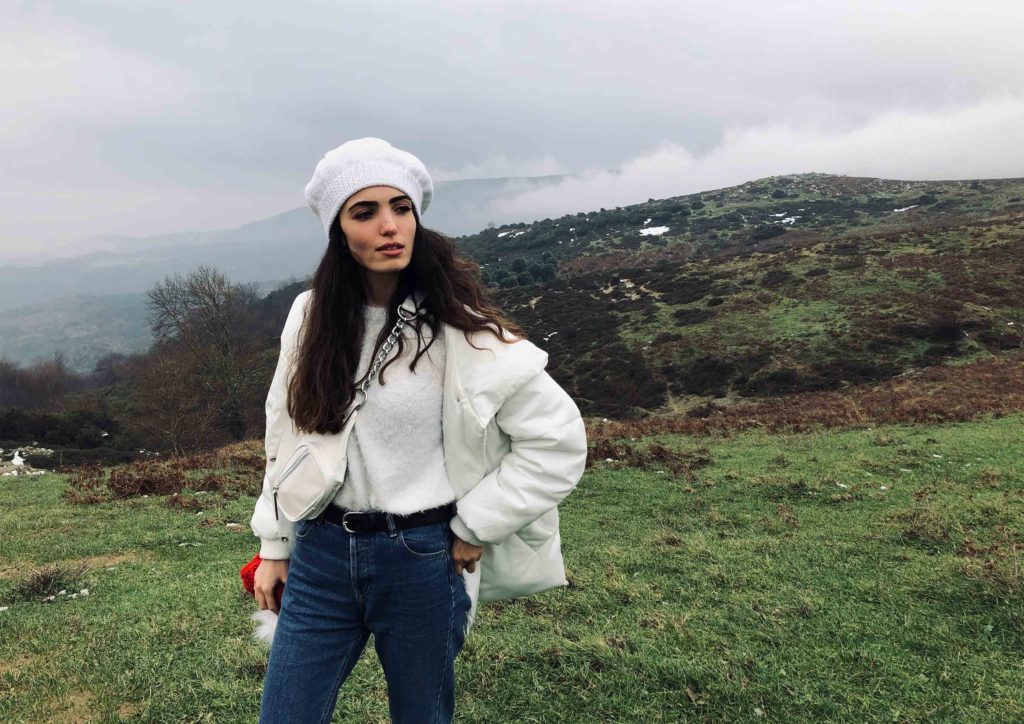
Here is my favorite one for 2020 winter hat trends. French berets are very popular this season. If you still don’t have, get one instantly. This can be found in H&M, Zara, Topshop and Mango Stores.

figure 3- Mango

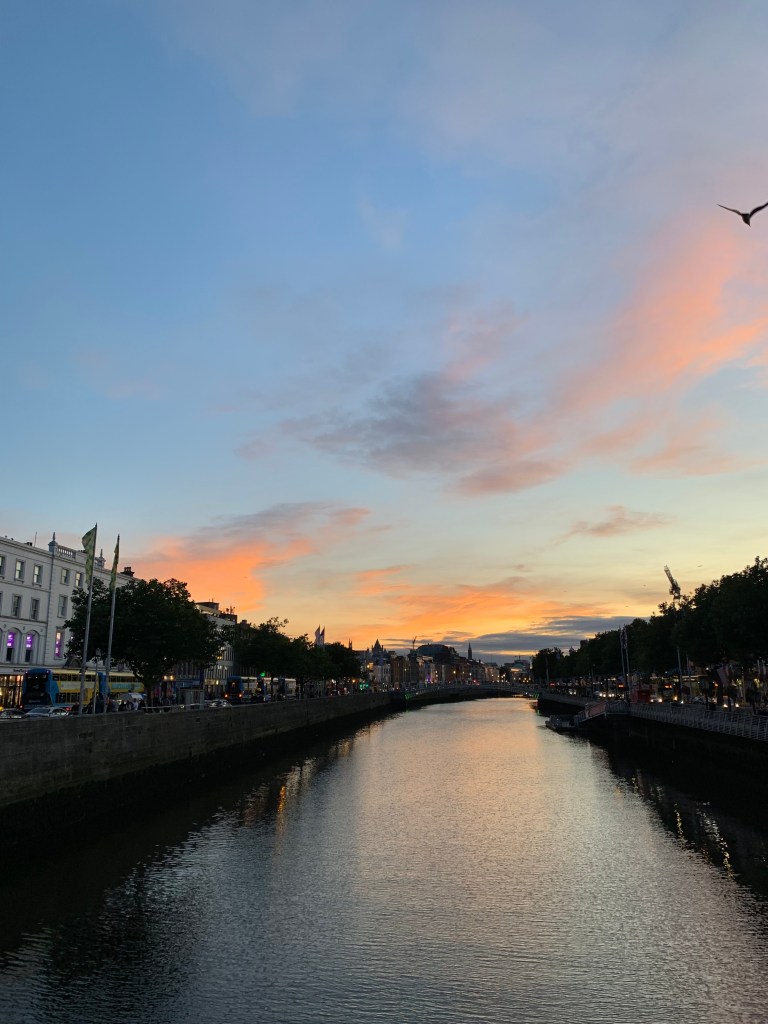
FOCUS ON SUNSET

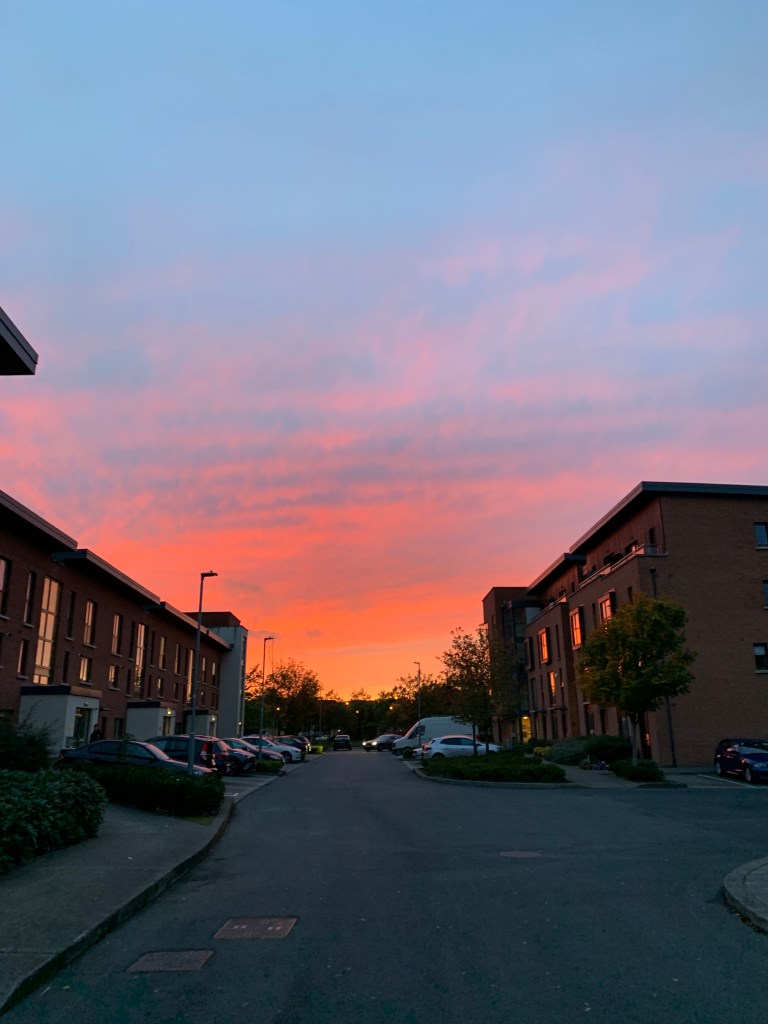
Gaze up at the sky one evening and you’re likely to see the crisp blue sky of the afternoon replaced with a reddish-orange hue stretching for miles. You might be wondering: Why does the color of the sky change at different times of the day? The answer has to do with how light from the Sun interacts with the atmosphere surrounding the Earth.

I have captured a few sunset photos with my mobile phone because I love being out there while the sunset. I will be sharing a few with Y’all, hopefully, y’all love them

figure 1- Fade Pitan
figure 2- Fade Pitan
Figure 3- Fade Pitan
Design a site like this with WordPress.com
Get started